
Custom Machined Shaft Extension
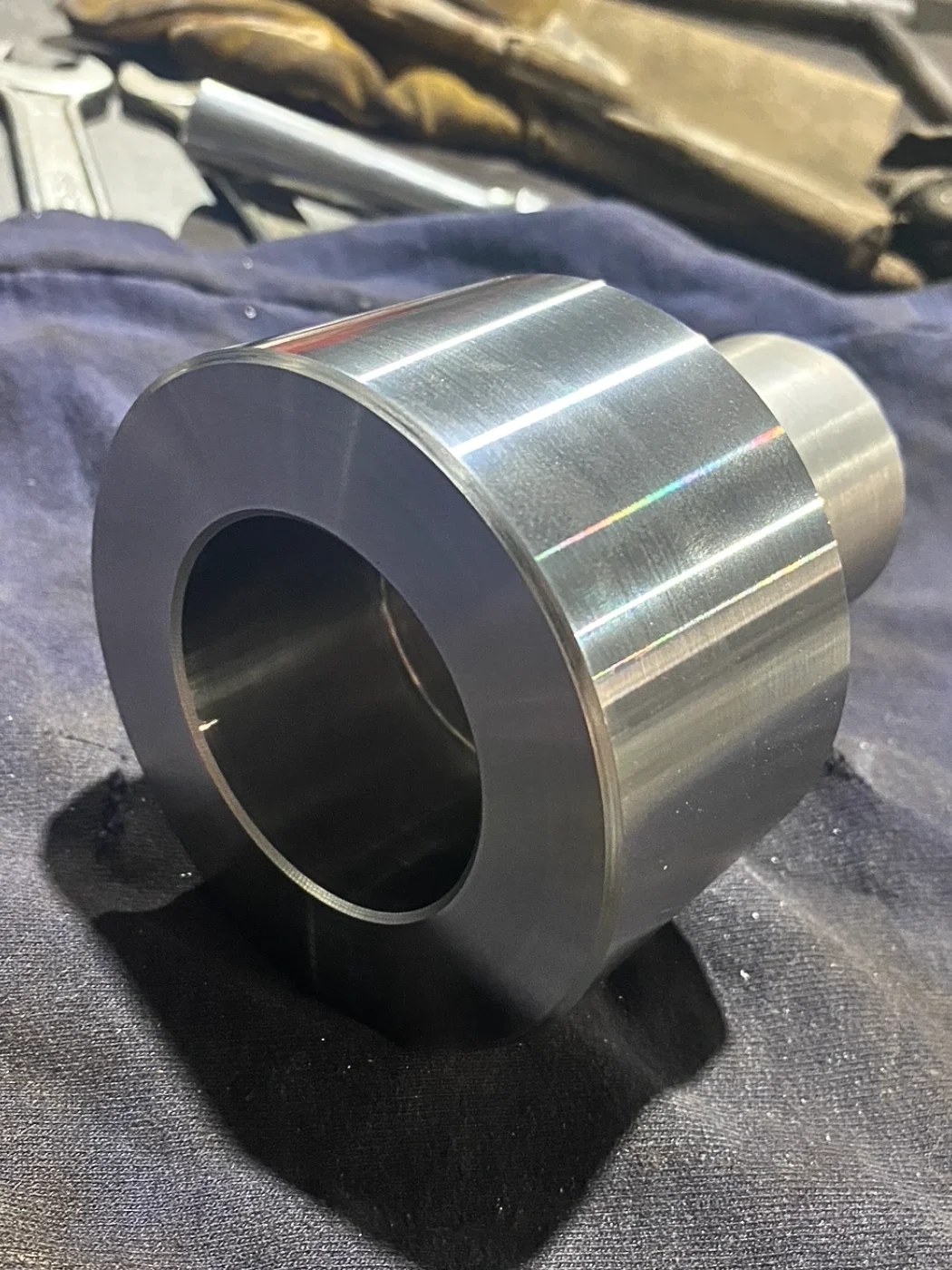
This custom shaft extension was machined from 1018 steel to solve a fitment issue within an existing mechanical system.
Shaft extensions are typically manufactured when the original shaft no longer provides enough usable length for the application. That can happen after equipment has been modified, a motor or gearbox has been replaced, or a machine has been rebuilt for the same or a different application using different components than it originally left the factory with.
In situations like these, replacing the entire shaft isn't always necessary. If the existing shaft remains serviceable, manufacturing a shaft extension can often provide the engagement needed to maintain connection between rotating components while avoiding more extensive modifications elsewhere in the machine.
What a Shaft Extension Actually Does
A shaft extension increases the usable length of an existing shaft while continuing to transfer rotational force from one component to another.
While this task sounds seemingly fairly straightforward, the extension effectively becomes part of the drivetrain once it's installed. It needs to perform just the same as the rest of the shaft instead lf behaving as a separate attachment.
To achieve this kind of unified performance successfully, the component needs to:
fit the existing shaft correctly
maintain concentricity throughout rotation
reliably transfer torque
engage properly with the mating component
suit the operating conditions of the machine
The effects may show up elsewhere in the equipment if even just one of these requirements isn't met.
Why Proper Shaft Engagement Matters
Rotating equipment depends on a series of components working together as they were intended. Couplings, pulleys, sprockets, bearings, and gearboxes are all designed around the position of the shaft to which they’re connected.
When there isn't enough shaft engagement, those components may no longer be supported in the way they were designed to be. The machine may still continue to operate, with potential problems often becoming more noticeable over time as additional components begin over- or under-compensating for something they were never designed for.
Poor shaft engagement contribute to any of the following problems, the extent and number of which depend on the application:
coupling wear
fretting
vibration
keyway damage
premature bearing wear
misalignment between connected components
When a Custom Shaft Extension Makes Sense
Shaft extensions may be required or just beneficial as machines evolve to suit different applications, such as when:
equipment has been modified
motors or gearboxes have been changed
replacement components differ from originals
machinery is being rebuilt
an older machine is being returned to service
the existing shaft no longer provides sufficient engagement
A shaft extension doesn't have to be particularly complicated to influence how a machine performs, with fitment issues leading to potential movement can develop between mating components and non-concentric manufacturing leading to unintended vibration. Torque must also be transferred consistently to prevent additional wear from developing over time.
For these reasons, a machinist’s goal isn't simply to manufacture a component that fits on the shaft. The extension needs to become part of the rotating assembly and perform as well as though it has always been there.
Machining Accuracy Matters
This shaft extension was machined from 1018 steel, a material commonly used in mechanical applications because it offers good machinability and dependable strength.
While stronger materials are available, material selection should always reflect the specific application the component is being manufactured for.
Why 1080 Steel Was Used
Addressing the Root Cause to Prevent Repeat Repairs
Rotating equipment has a way of telling you when something isn't quite right, but it doesn't always tell you why. The visible problem might be a worn coupling or a failed bearing, while the underlying issue may be insufficient shaft engagement that has been placing additional stress on those components for months or more.
Frequently Asked Questions
-
It depends on the application. If the existing shaft is still in good condition but no longer provides enough engagement because of equipment modifications, replacement components, or layout changes, manufacturing a shaft extension can often solve the problem without replacing the entire shaft.
-
It can, but only if insufficient shaft engagement or drivetrain geometry is contributing to the vibration. Rotating equipment should always be evaluated as a complete system because vibration can also be caused by worn bearings, coupling issues, imbalance, or misalignment elsewhere in the machine.
-
Not necessarily. Couplings wear for a reason, and while replacing a worn one may be the right repair in a given situation, it's also worth assessing whether poor alignment, inadequate shaft engagement, or another underlying issue contributed to the failure in the first place.
-
In many cases, yes. Existing components can often be measured and evaluated so a replacement can be manufactured to suit the application. Depending on the condition of the original part, dimensions may also be adjusted where appropriate to improve fitment or accommodate changes made to the equipment over time.
Related Services
Manufacture replacement shafts, couplings, extensions, and precision-machined components for industrial equipment.
Custom-machined repair components designed to solve fitment problems while extending equipment service life.
Support machinery repairs and equipment modifications with components manufactured around existing installations.
Similar Projects
A rotating component manufactured specifically for a custom machine where standard pulleys weren't suitable.
See how accurate component positioning begins with the structure supporting the machine.
Another project where proper alignment between multiple interacting components was critical.
Mechanical assemblies manufactured to support predictable movement instead of simply replacing worn parts.
Let’s Get Started on Your Project
Need a custom shaft extension or another part manufactured for an existing machine or equipment modification?
Send photos, dimensions, drawings, or details about the application through this secure form. We'll review the project, determine whether a custom-machined solution is a practical option, and get back to you as soon as we possibly can.