
Prehardened 4140 Bolt Rings for a Hydraulic Ram
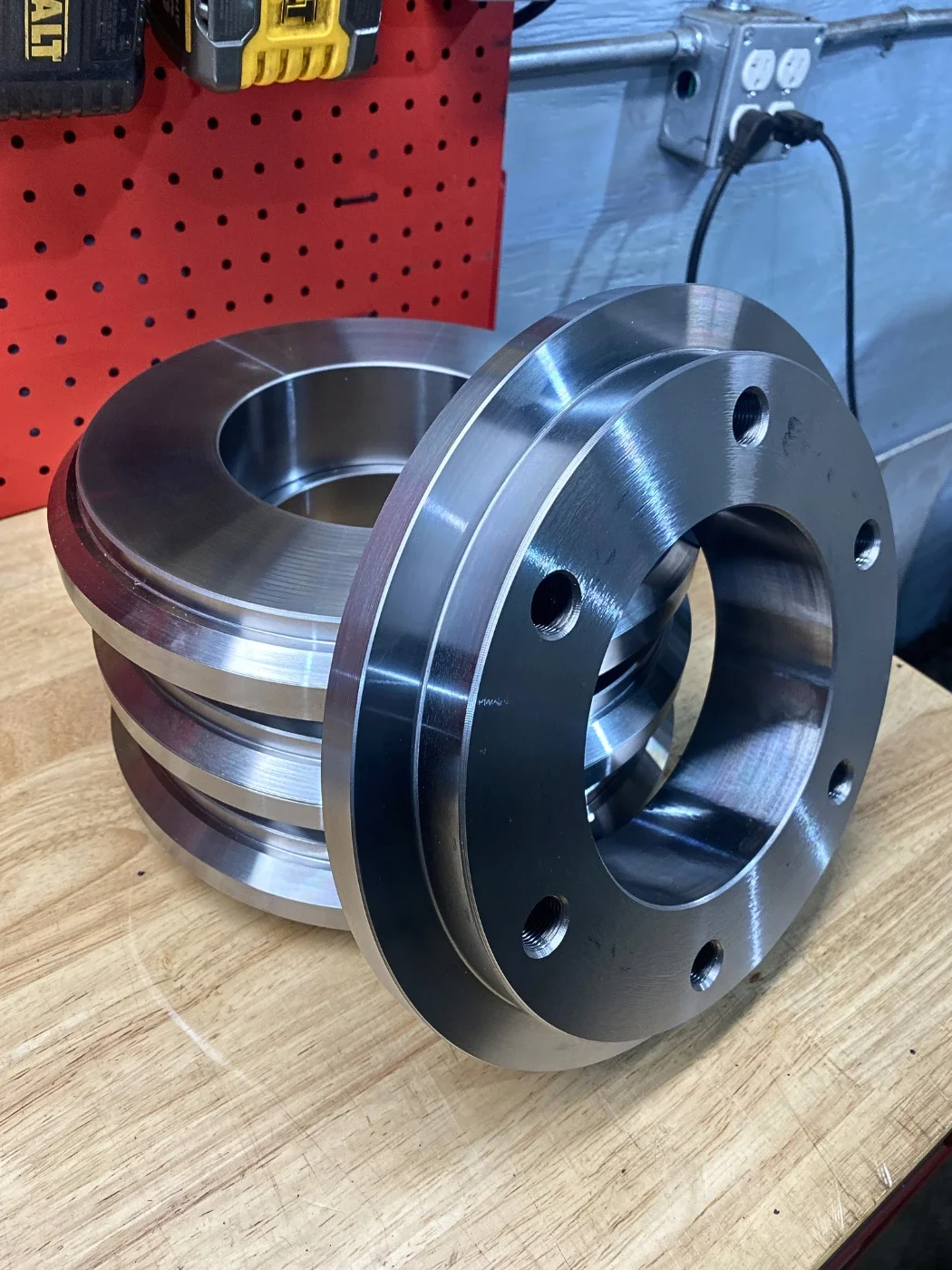
These bolt rings were machined from prehardened 4140 steel for use in a hydraulic ram assembly.
Hydraulic cylinders generate large amounts of force every time they extend or retract. While attention often goes to the piston, rod, or seals, those components can only do their job if everything else inside the cylinder stays where it was designed to.
Retention hardware is responsible for keeping the assembly together under load. If those components begin to wear, loosen, or no longer fit as intended, the effects may eventually show up elsewhere in the cylinder. This project involved manufacturing replacement bolt rings designed specifically for the hydraulic ram they would be installed in.
Small Components Can Have Big Responsibilities
Bolt rings aren’t the largest parts inside a hydraulic assembly, but they perform an important job. Their purpose is to help retain critical components so they remain in their intended positions throughout normal operation.
Depending on the cylinder design, these rings may help:
retain internal components
maintain the relationship between mating parts
support the overall assembly
resist movement under repeated loading
contribute to the integrity of the hydraulic cylinder
Although they don’t generate hydraulic force themselves, they help ensure the components that do remain properly secured.
Hydraulic Cylinders Are Constantly Under Load
A hydraulic cylinder doesn’t experience force only when it’s lifting a heavy load. Every extension and retraction cycle places loads throughout the assembly, and those loads are repeated every time the equipment is used.
Over time, retention hardware needs to reliably withstand various operating conditions, including:
vibration
shock loading
changing operating pressures
contamination
normal wear
Replacement Parts Need to Match the Assembly
A bolt ring isn’t simply manufactured to an outside diameter- it also needs to suit the components it works with inside the hydraulic ram.
Poor fitment can affect how those components are retained and may introduce movement that wasn’t there when the cylinder was originally assembled. When replacement parts are manufactured for an existing hydraulic cylinder, the goal is to produce components that suit the assembly they’re being installed into as opposed to just relying on dimension measurements alone.
These bolt rings were machined from prehardened 4140 steel, a material often used for components that need good strength and durability without requiring additional heat treatment after machining.
Choosing a prehardened material can also help simplify manufacturing while producing a finished component that’s well suited to demanding mechanical and hydraulic applications.
Why Prehardened 4140 Steel Was Used
Wear Doesn’t Always Start Where It’s Found
When a hydraulic cylinder develops a problem, the failed component isn’t always where the issue began.
A leaking seal, damaged piston, or worn gland may be the first thing that’s noticed, but those parts all depend on the surrounding components remaining properly located within the assembly.
That’s one reason hydraulic repairs often involve evaluating more than the visibly damaged part. Understanding how the entire assembly fits together helps determine whether additional components should be repaired or manufactured before the cylinder goes back into operation.
Frequently Asked Questions
-
In many cases, yes. Existing components, mating parts, or the hydraulic assembly itself can often be measured and evaluated to manufacture a replacement. The amount of wear on the original component may also help identify whether other parts of the assembly should be inspected before everything is reassembled.
-
It’s generally worth evaluating the surrounding components. Wear on one part may have affected the mating surfaces around it, particularly if movement has been present for some time. Looking at the assembly as a whole can help identify problems that may not be obvious once the cylinder is taken apart.
-
It can. If components are no longer being retained as intended, movement may develop within the assembly over time. Depending on the cylinder design, that movement can contribute to wear elsewhere in the hydraulic system, which is why retention components are often inspected during a rebuild.
-
Yes. Hydraulic cylinders vary considerably between manufacturers and applications, so retention components are often produced to suit the dimensions and design of the specific assembly they’re intended for rather than following a single standard design.
Related Services
Precision machining for replacement hydraulic components built to match existing equipment.
Replacement parts that help restore worn industrial equipment without replacing complete assemblies.
Fast-turnaround machining for critical components when minimizing downtime matters most.
Similar Projects
Precision-machined gland manufactured for a hydraulic cylinder rebuild.
Replacement hydraulic piston made to restore sealing performance and hydraulic efficiency.
Matching hydraulic components manufactured together for complete cylinder rebuilding projects.
Let’s Get Started on Your Project
Need replacement retaining rings, hydraulic ram components, or custom-machined parts for an existing hydraulic assembly?
Send photos, measurements, drawings, or details about the cylinder through this secure form. We’ll review the application, determine what information is needed, and let you know whether manufacturing replacement components is a suitable option for your equipment.