
Custom Firefighter Forced Entry Training Door
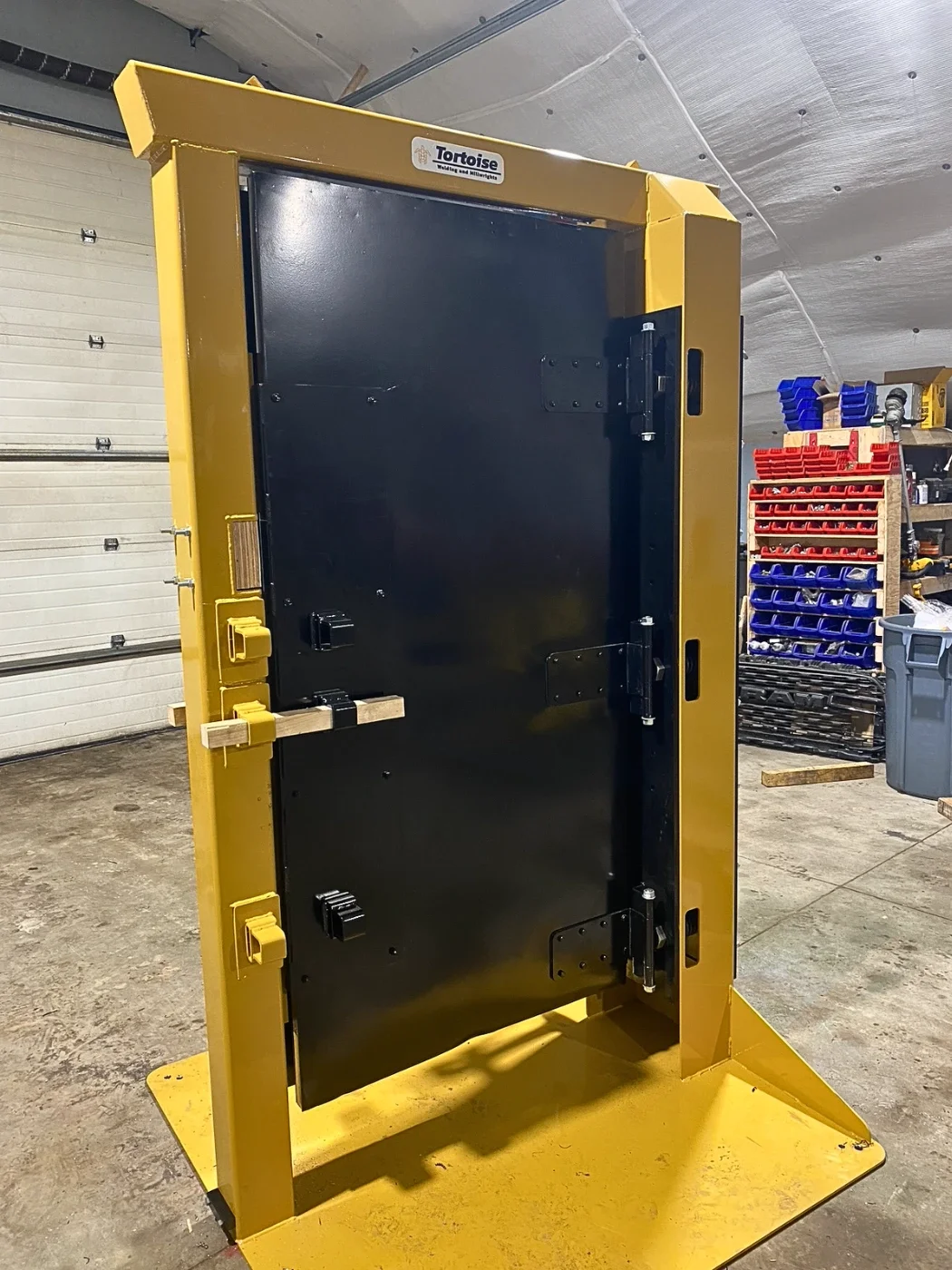
This forced entry training door was designed and built to help firefighters practice forced entry techniques in a realistic, repeatable training environment.
The objective wasn't just to build a door that could withstand repeated impacts- it was to create a training tool that behaved in a way firefighters would recognize in real on-the-job scenarios while allowing instructors to reset the system quickly between evolutions.
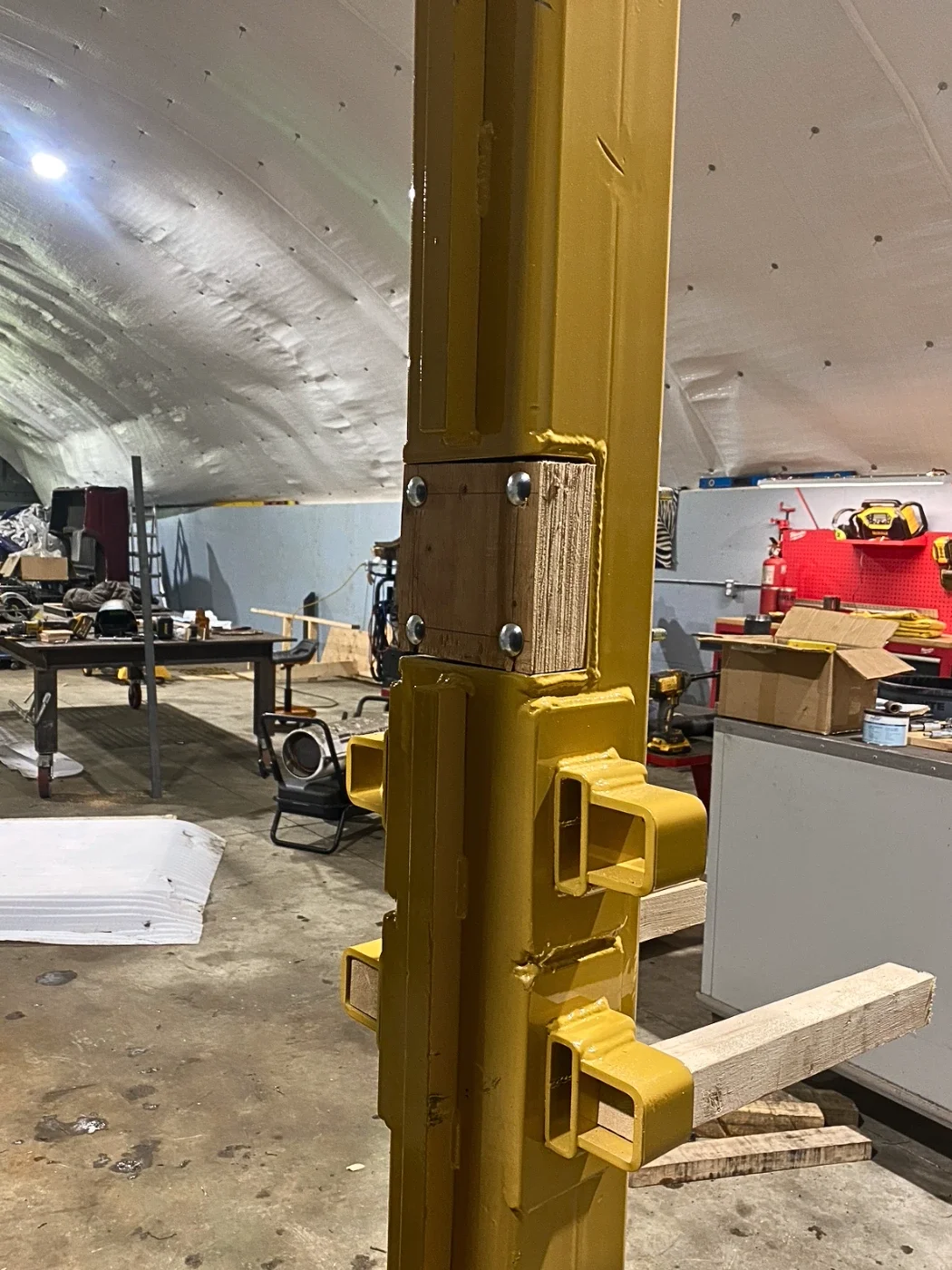
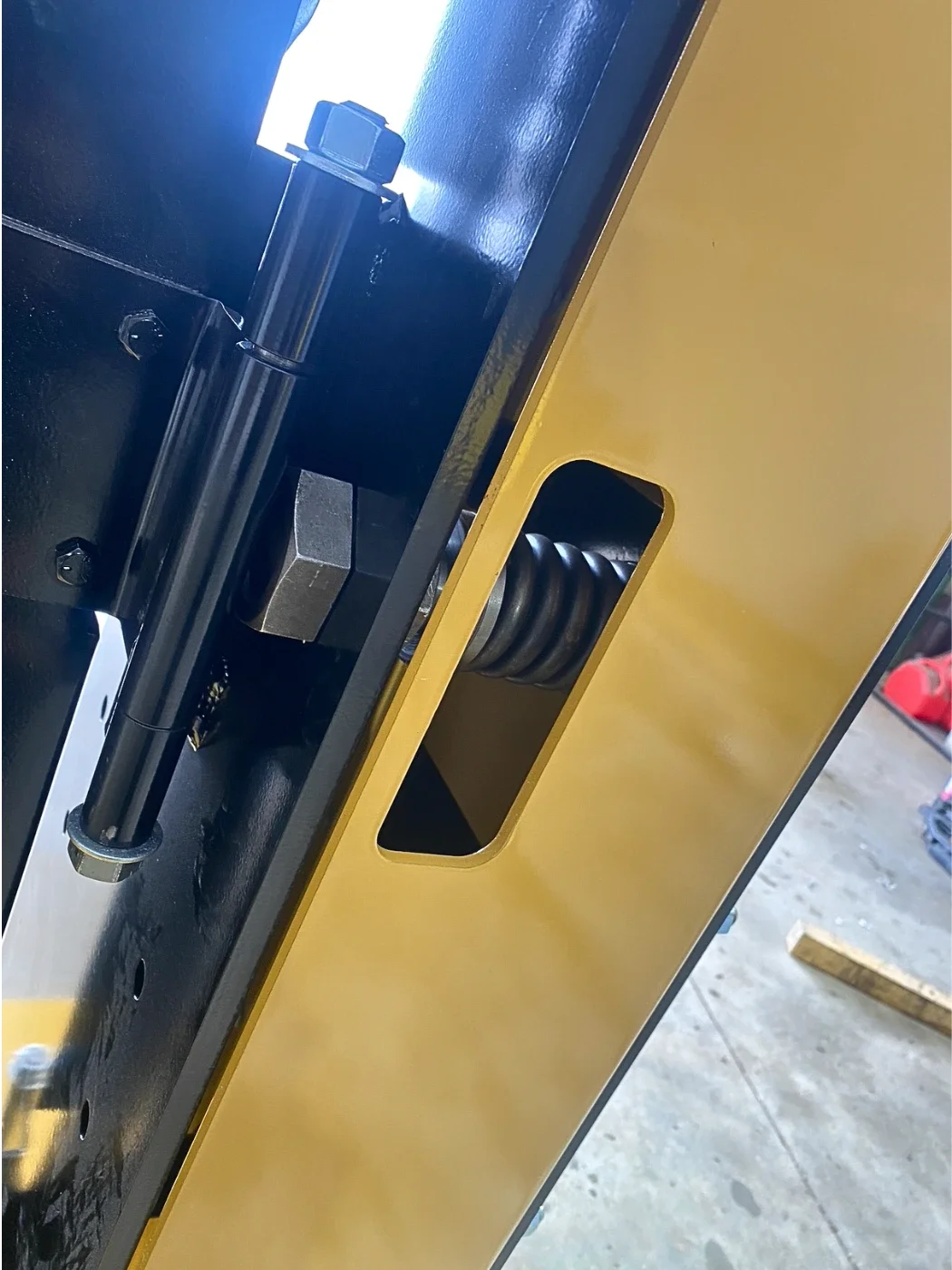
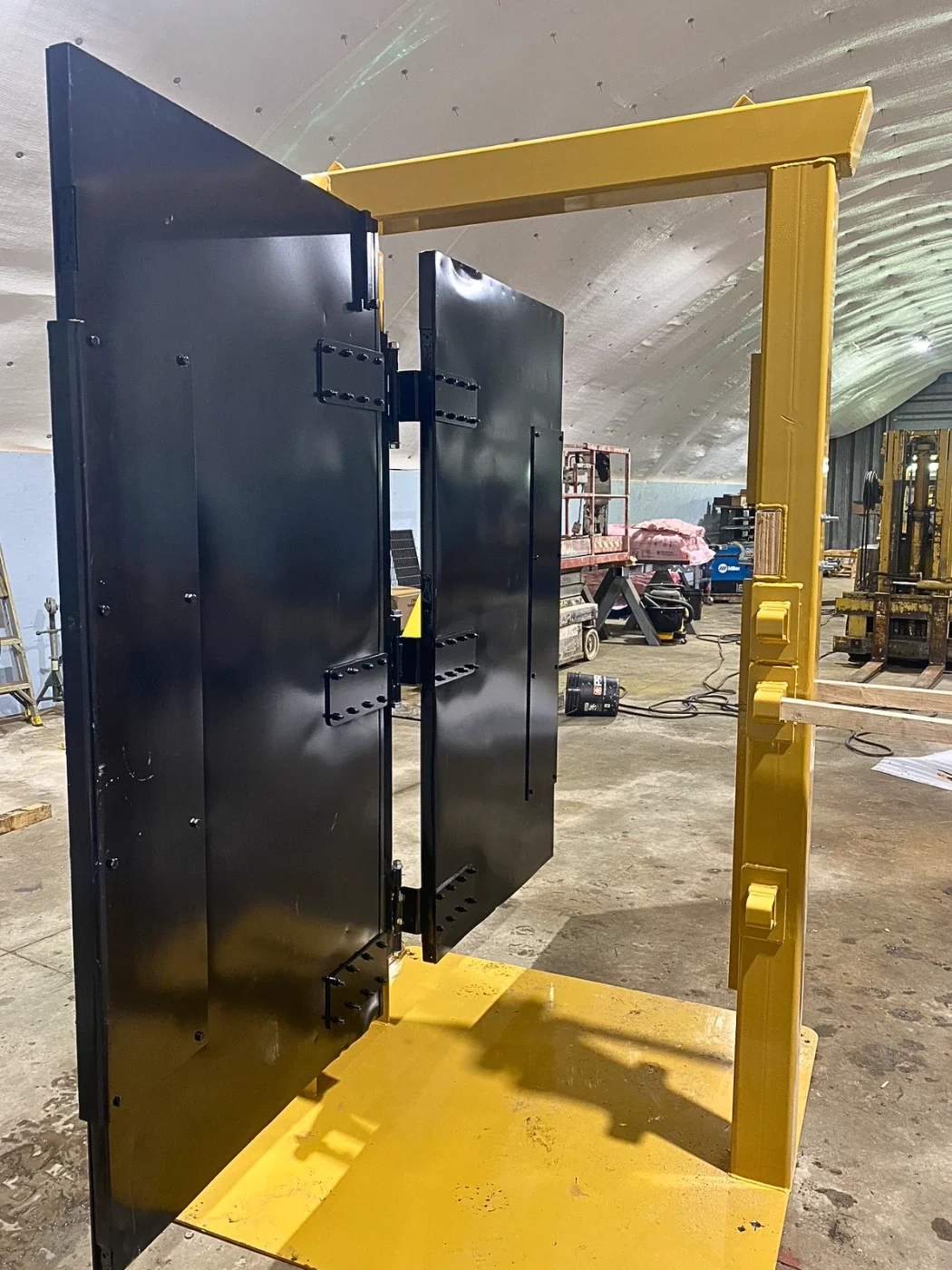
The finished design incorporates a spring-loaded frame that allows the door to flex under load, replaceable wood inserts for repeated prying operations, and adjustable blocking positions. The system can also be configured for both left-hand and right-hand hinge layouts, allowing crews to practice different entry scenarios using the same training prop.
Like any piece of training equipment, the door was built to be used repeatedly rather than demonstrated once.
Realistic Training Requires Realistic Feedback
Watching a forcible entry demonstration and performing one are two very different things.
Firefighters develop these skills by learning how a door responds when force is applied and resistance changes, the frame begins to move, and they’re required to gauge the amount of leverage required with each evolution.
If each attempt feels identical, or if the prop behaves nothing like a real door assembly, some of that learning is lost.
This project focused on creating a system that responds in a way that's closer to what firefighters experience on the job while remaining suitable for repeated training use.
Designed To Be Reset, Not Rebuilt
A training prop may be used dozens of times during a single session.
If instructors need to spend several minutes rebuilding the setup after every evolution, less time is spent training and more time is spent preparing for the next group. This door was designed so the training scenario can be reset quickly and effectively, allowing crews to complete more repetitions during the same training period.
One Door, Multiple Training Scenarios
Training objectives change depending on the experience of the crew and the skills being practiced.
Rather than creating one fixed level of resistance, this design uses wood blocking to allow instructors to configure for either left-hand or right-hand hinge arrangements, allowing departments to expose firefighters to different door layouts using the same equipment.
Additionally, this door was designed with the expectation that certain components would wear during normal use. The wood insert where forced entry tools engage acts as a sacrificial surface, which can be replaced without having to rebuild the entire door.
Designing replaceable wear components into the system helps reduce maintenance while allowing the main structure to remain in service over the long term.
Built Around the Way Firefighters Train
Training equipment should make it easier to run realistic repetitions that are quick and easy to setup.
For this project, that meant considering more than the structure itself. Reset time, adjustable resistance, replaceable wear components, hinge configurations, and overall durability all became part of the design because each one affects how the equipment is used throughout a training session.
Frequently Asked Questions
-
Old doors are useful for demonstrating basic forcible entry techniques, but they don't necessarily provide consistent training from one evolution to the next. As the door becomes damaged, the resistance changes and the training scenario becomes less predictable, not to mention additional work required to continually source new doors for training. A purpose-built training door allows instructors to reset the exercise while providing more consistent conditions for each crew.
-
Realism is important, but so is practicality. A training prop isn't meant to perfectly duplicate every door a firefighter may encounter. Instead, it should recreate the mechanical behaviour that helps firefighters develop proper technique while remaining durable enough to withstand repeated training sessions.
-
Some parts are expected to wear because of where forcible entry tools contact the door. Making those areas replaceable means maintenance can usually be limited to the components that actually receive force, rather than rebuilding or replacing the entire training prop after extended use.
-
Often, yes. Every department trains differently depending on its objectives, available space, and the types of structures firefighters are most likely to encounter. Custom-built training equipment can be designed around those requirements rather than asking instructors to adapt their program to a standard training prop.
Related Services
Tailored equipment designed around specialized training, production, and operational requirements.
Precision-machined components manufactured for custom equipment, mechanisms, and replacement parts.
Installation, modification, and mechanical support for industrial equipment and custom-built machinery.
Similar Projects
Precision-machined components manufactured for the forced entry training door mechanism.
Custom-built industrial equipment designed from the ground up around a specific operating process.
Purpose-built production equipment developed to improve consistency and repeatability.
Let’s Get Started on Your Project
Planning a firefighter training prop or custom training simulator?
Whether you're developing a new training facility or looking to improve an existing evolution, send us your sketches, reference photos, training objectives, or project details through this secure form. We'll review the application and determine whether a custom-built solution is a practical fit for your department or training program.